Empowering Society with Information
Communal Society within the Capitalist Society
Addressing Critical Issues Facing American Cities
Is crime out of control out of control?
Is the justice system a major problem and is it failing to protect the people?
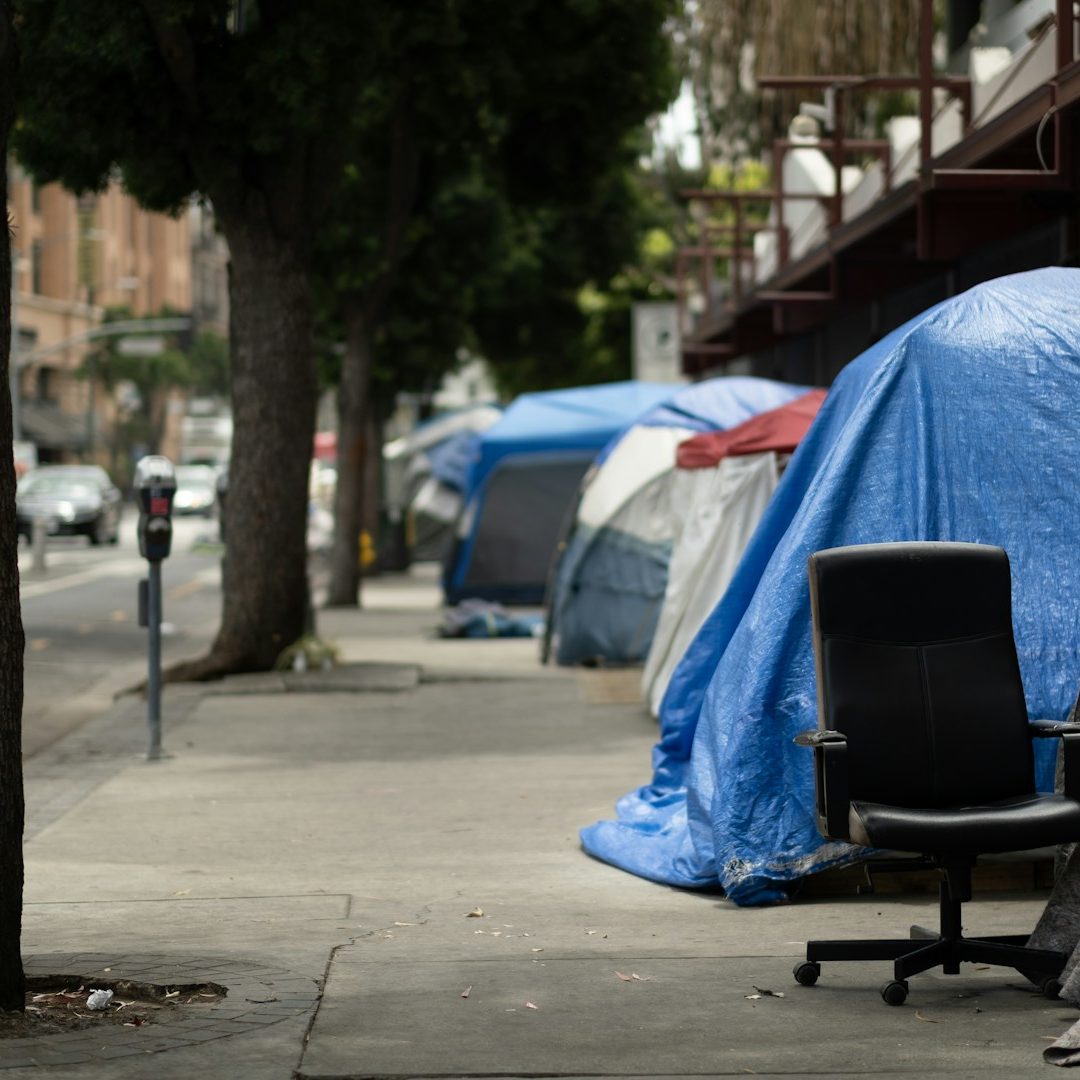
Is the homeless crisis a major problem?
Is metal illness a major Problem?
Is the welfare system out of control and is it resolving the problems it was meant to alleviate?
Is the illegal drug crisis a major problem?
Is our education system failing the poor children of the inner cities?
Is the foster care system needing major reform?
Are the elderly properly taken care of in their old age?
Is the foster care system needing major reform?
If you answer yes to any of these questions and would like to see a comprehensive solution, a sort of unification social reform, that addresses each one, you can help.
Office supplies are needed to print and distribute the plan. To support the initiative, donations can be made via the designated GoFundMe account: https://gofund.me/924b8d761
Capitalism and communal living have been the norm since man has been man. In a community everyone looks out for the welfare of those who need it, except for the ones who are always an exception to the rule, bullies. Even in the animal world, yes we are animals also, there are examples. Wolves and chimps come to mind.
In most societies of primitive humans, we know that they hunted as a group, gathered nut, seeds and other plants in a group and lived in a group. In ancient times, we do not know the exact examples, but in modern times from primitive lifestyles we can gather many examples of this.
There is no one story that is the only story, but in general people with special talents like making beads for various bead works, artistry, tool production, etc were sought after to trade for the things they need and those were the ones that gathered wealth and prestige from their fellow members of society. They became the leaders because of their talent, skills and management. Many of the resources necessary for ordinary life were far from the community’s location or required extensive search. Some examples of this would be flint, necessary or desired because of its workability into arrow heads, lance blades and knives. Furs were a great trade item, not all fur is equal even in a given species and it must be cured properly. Particularly women the world over, but men also, desire beautiful jewelry. Turquoise is a great example, and blue colors were highly sought along with reds and yellows. Traders would travel great distances to trade for or gather these resources and go from village to village trading with the locals.
Community within a Community: Fifteen Minute Cities
My concept for comprehensive social reform revolves around the idea of a 15-minute city which provides all necessary facilities for helping people live a productive life filled with freedom and happiness. The 15-minute city is an urban planning idea where most daily necessities and services like work, shopping, education, healthcare, and leisure are within a15-minute walk, bike ride, or public transit ride from any point in the city. The goal is to reduce car dependency, promote sustainable living, and improve the quality of life for residents.
The concept gained popularity after Paris Mayor Anne Hidalgo included it in her 2020 re-election campaign. It's about creating well-designed public spaces, pedestrian-friendly streets, and mixed-use developments to foster a local way of life, but only for a communal society. In a normal capitol system people need little help from the government. They rely on themselves, family and a loose knit society.
I once read a book that was about a future society that required the young to consume, as you got older and wiser with hard work, you could earn your way to a small cottage in the country with a garden space to grow your own food. That is human freedom.
The World Economic Forum, the WEF, has mentioned fifteen-minute cities also. Their idea is that everyone will be forced to move to fifteen-minute Cities. They proposed everyone is to go there and as they said and by 2030 you will own nothing and be happy.
I reject this as repugnant and equivalent to imprisonment. However, when voluntary it is a viable concept.
In my concept it is a nearly perfect solution to present day societal need in that it allows a pressure release valve for society in general and fulfills societies need to address our most pressing problems as mentioned at the beginning of this presentation.
The future with artificial intelligence removing humans from the work force by being cheaper, more intelligent. and faster than human workers, saving the general capitol society huge amounts of money and resources. White collar jobs and many others are at serious risk of replacement. We can be proactive and find relief before it is critical, if we don’t? Society is going to go through mega changes in the near future. We must prepare.
Welfare now is given in one form another to approximately one in six people in our country. For those in need, for whatever reason, real help is generally not forthcoming for a variety of reasons. Starting with the children, they are obviously not able to fend for themselves. Their mothers often suffer from drug addiction, and the children are poorly cared for. Often, mothers have grown up in the same conditions with poor education, no job skills or work ethic. Many or most have no father figures in their lives and are raised by single women. Under these conditions they are destined to become welfare wards of the state also.
Many at a young age gravitate to street gangs and therefore become the petty thieves and criminals that enter the penal system requiring even greater resources.
In our present society, many people have been raised in families with both parents working and productive but in their old age have no one to take care of them. Eventually they go to nursing home, destitute and alone. I feel that a better solution needs to be found.
The homeless are also many times drug addicted and for various reasons, like past behavior from the drugs, have lost family and friends and no longer have any resources outside of government provided welfare.
Supplement Social Security income is welfare by another name. They are often depressed, desperate, disabled and suffer from mental problems as well.
Our society, in its compassion to help these situations, has thrown money at the problem as well as other resources but the problems are getting worse not better. It is my contention that my proposal will address these issues in a comprehensive solution.
It will provide protection for the elderly, counseling and sources of rehabilitation for those that need it, education and skill for those wishing to be productive citizens of either society. In general, it provides for a safe, useful, happy life.
I see capitalistic society benefiting in many ways. Communal society within the capitalistic society would be voluntary and people can leave at any time when they have finished the requirements they have agreed to. If people need financial help and are willing, they will be trained in a useful skill. Like any training program, payment is required. All skills are valuable to either society. A communal society needs all the skills of regular society, carpenters, electricians, plumbers etc., so once they have been trained and served the contract they signed to pay for their education, they are free to stay or leave. It is logical that industry and businesses will try to recruit these educated and trained people for their own endeavors.
The other benefits include the absence of the homeless and the usual clutter they create. The present welfare housing would be a benefit in that apartments and other rentals would become available and that would reduce pressure on shelter cost for the working, productive members in the capital system. Demand justifies pricing. Of course, in the short term this will impact on the revenue stream from those assets.
Taking criminals, especially the petty crime types such as shoplifters, prostitutes, and general troublemakers, out of regular society will result in a more pleasant living environment as well as less need for policing. That could save millions for the various governments.
Many of these troublemakers and homeless have mental problems which would be treated. Society has long turned its back on this problem by providing medication to some without oversight to see that they actually take their medications. There are many that will never seek treatment because they see their problems as a societal curse that they didn’t create. Everyone is at fault for their situation and attitude except for them.
My vision is a combination of the help people were given prior to President Johnsons New Deal like the county farms of New Hampshire which were administered by the local officials, often the overseer of the poor as a title. In general, it is also loosely based on the voluntary military system.
Prisons, jails, and hospitals were a cornerstone of that help and is also a cornerstone of my proposal.
Intake
When people apply for help, they will be interviewed as to their reasons for seeking help and their end goals. At this time, they will be referred to counselors for evaluation and a plan of treatment will be presented for their agreement. If they reject the contract requirements, they are free to leave the community.
There will be medical, housing, dining facilities, recreation, childcare, and work requirements, for all those that are capable to work, for everyone.
In order to become a member of Communal society, they must sign a contract that explains individual requirements which must be met and completed. These would include diet, education, training and the amount of time they need to become productive members and repay for those things. If they rejected the contract requirements for our help, they are free to leave the community to return to the regular society.
There are many people who believe in a communal living society, are unsatisfied with the capitol society. They may become the original volunteers. The most important reason is to take care of those people that truly need help in coping with life’s many challenges.
Concept
Why is communal eating so important? I saw an article yesterday that said the average female is one hundred forty-seven pounds while the average female on wefare benefits is two hundred plus pounds. That sounds funny at first but regardless of it, it is true we have all seen pictures of people demanding “their” food stamps and more, and in my memory I have never seen a picture of a skinny one but I assume they must exist. There are many doctors that claim that most disease comes from poor eating habits, and these same doctors believe that man can be cured by a proper diet. For example, the claim is that type two diabetes can be cured in as little as a three-month span with proper nutrition. They are also saying that dementia is type three diabetes. Regardless we all know that being overweight is a huge health problem.
Centralized Dining
Create large dining facilities where all meals are prepared and served to the community members. There would be waiters to process your meal order for you. As you enter the dining facility, they will put the order in or fulfill the individual menus designed for each individuals’ heath needs and work requirements. The meals would be brought to the table by the waiters.
Benefits
By centralizing meal preparation and involving dietitians, the community ensures that everyone receives balanced, nutritious meals. Reducing the need for individual meal preparation, saving time and resources.
Crime and Punishment in the Society
How as a society should we handle crime? Let me start with my view on prisons. I do not like them. However, they are absolutely necessary. Criminals, many of whom are mentally ill, will not stop committing crime unless they are stopped. This means that the ability to commit these crimes is taken away by removing them from society into secure facilities where those that can be, will be rehabilitated. The goal is to rehabilitate rather than purely punish, guiding offenders towards better behavior and societal reintegration. Comprehensive rehabilitation programs will be developed focusing on mental health, education, and skill development to help offenders reintegrate into society.
Rehab in the present system is a joke; it is not happening in today’s penal system.
Capital crimes deserve the death penalty. That leaves us with a gulf that encompasses everything from negligent homicide to the indifference of life when a person is killed during a crime to petty crimes.
In my research I found a person with 1500 arrests, people with more than 50 misdemeanors and many arrests and convictions for felonies and misdemeanors. Just this morning on the news was a report about someone in Florida that had more than fifty arrests and convictions. Many of which were felonies.
It really is not the fault of the individual. Yes, they committed crimes, but it is this permissive society that thinks everyone can be helped if you just treat them with kid gloves so to speak, crime is not being deterred in any meaningful way.
I believe we, as a society in general, need to do a thorough assessment process to determine the appropriate treatment for each individual based on the severity and nature of their crime.
This will include the establishment of systems to facilitate restitution payments, including work programs where offenders can earn money to pay their dues.
Develop comprehensive rehabilitation programs focusing on mental health, education, and skill development to help offenders reintegrate into society.
For less severe crimes, punishment involves paying double restitution to the victim. The compensation to the victim should be paid by the government and collected by the court as part of the sentence. This emphasizes accountability and compensation rather than simple incarceration.
It is not just the judge’s responsibility, which is a large part, but it is the legislatures that are not passing laws with the enforcement powers the judges need to properly sentence them. For example, public intoxication is a total nuisance and somewhat of a petty crime, but the sentence doesn’t change with further arrests. If the law was written so that the judge could double the available punishments for each subsequent offense the judge would be better able to give a sentence that was a real deterrent.
In Florida it can be up to a $500.00 dollar fine and sixty days in jail for some petty crimes. If the punishments were to double each time, then in four convictions they could be facing up to a $4000.00 fine and up to a jail time of 480 days. Now that would have real deterrence value. I cannot even calculate the guy with 1500 arrests and subsequent convictions.
We have the nearly identical problems with petty thief, generally the states have a dollar value that determines a petty theft verses a felony. Again, it does not change with further arrests. Now if the punishment potentially increased by double with each offense, real deterrence would be the logical outcome.
We have a similar problem with juvenile crime, probably we have all seen clips of a juvenile telling the court room that he is a juvenile so there is not anything they are going to do but release him to go home. Again, if there was a doubling of the possible sentence’s deterrence would take place or like in the old days of my youth, here I must add he or she, would be sent to reform school.
In my experience very little reform took place and it was mostly a school to teach you how to con the system and refine your criminality. However, that can be improved with proper procedures.
Each of these topics and many more I am writing about could fill volumes. I am scratching the surface only and I realize that.
Area One: The Layout of the Prison
This is better designed by professionals
Area Two: Residential
This section is designed to allow more freedom for individuals who are incarcerated, as well as newcomers who require observation and evaluation before joining the group. It would likely also include those sentenced to less than one year. I recommend dividing this area into several sections: one for newcomers awaiting assessment, one for parolees, and a more secure unit for those who have committed offenses within the Communal society.
It would serve as a jail for those who violate communal rules and need to be detained until they are reevaluated, and the local courts have determined the outcome of serious infractions.
Areas four and five serve as the initial residential areas where people from area two are assigned housing after their release. Across all areas, envision the accommodations as similar to first-class hotel rooms (without dining facilities), with interconnected spaces that can be configured as needed, for example, families with children may require multiple rooms, whereas individuals only need one.Of course, the newcomers to the Society that are deemed to not need the extra scrutiny of area two would also be assigned housing in area four. It would have all the amenities of a small town including local clinics and restaurants.
Area Three: Government & Medical Facilities and Courts
I would expect a large portion of this would be for housing those people that need daily assistance, such as housekeepers and wellness checks, but are healthy enough not to need hospitalization,
Area Four: Second Residential Area
This area has fewer restrictions and thus requires less intensive surveillance. This zone accommodates individuals who have transitioned from Area Two to a more independent environment after meeting established safeguards. New residents are incorporated into the community only after being assessed as suitable. Ongoing monitoring remains necessary to ensure these individuals demonstrate their ability to exercise full autonomy and adhere to community regulations. Area four is less restrictive and therefore needs less surveillance but it is the area where people have been moved from area two to a freer lifestyle. The residents have passed the safeguards of area two and the addition of newcomers to the community which have been deemed to be safe. However, they still need monitoring until they have proved themselves capable of total freedom and are complying with the communities’ rules.
Area Five: Free Living Zone
A free-living zone for residents who have met all criteria and are considered stable, self-sufficient, and safe. This area offers maximum individual freedom with minimal surveillance, resembling a small-town community where people hold regular jobs and live normal lives.
Area five is generally a free-living area, the residents have met or exceeded all requirements and are just living life to its fullest. Here I expect that there will be more freedom and less surveillance than in a capitalist society.
Area Six: Production and Agriculture
This area has only normal surveillance that is not unusual for businesses and factories. There will probably be many workers from area two, four and five working in this area.
It also includes industrial plants, warehouses, workshops, as well as agricultural production.
Its purpose is to achieve near-total self-sufficiency by producing food and essential items internally. Residents work collectively to maintain and improve the community's resources such as furniture, clothing and other essential goods.
They could also overproduce and sell or trade the excess production to the capital system for those items they cannot produce for themselves. Over time they should be able to create everything they need including machinery but probably would never be in a position to provide raw materials such as steel or chemicals. Just as an aside, different communities may specialize in different products that can be sold or traded to other communities.
It would be a good location for sports stadiums and a track and field complex.
The Biggest Question: How Will This Be Financed?
The simplest way to approach the question is to ask: how is society already paying for its current system of support? The answer is multifaceted. Federal, state, and local governments as well as private businesses are already footing the bill in various ways. And that’s before we even account for the human suffering embedded in fragmented, inefficient systems: homelessness, isolation, untreated mental illness, and the economic drag of underutilized potential.
To put the scale in perspective, the federal budget alone is approximately $6 trillion annually. That’s six thousand billion dollars. A state like New York has a budget, counting all local governments, of at least 800 billion. Throughout the country we are talking about many trillions of dollars in budgets.
A significant portion of these funds, perhaps a third to half, are directed toward various forms of welfare, public assistance, housing subsidies, and healthcare support. And yet, despite this massive investment, outcomes remain uneven and often unsatisfactory. The system is reactive rather than proactive, fragmented rather than integrated.
Now imagine if even a fraction of this funding were redirected toward structured communal society, designed to provide housing, healthcare, food, and social engagement in a unified, cost-efficient framework. These environments could reduce duplication of services, lower per-capita costs, and dramatically improve quality of life. Residents on Social Security, for example, might find themselves not only financially better off but also more socially connected and physically secure.
This isn’t just about saving money,it’s about reimagining how we care for each other. Communal living, when thoughtfully designed, could offer a scalable alternative to the patchwork of programs currently in place. It’s not a utopian fantasy; it’s a pragmatic evolution of public investment.
Incoming people that have incomes from federal programs such as social security and all the others, those incomes will go into a general fund for the operating cost of the community. Those individuals will not need money since everything will be provided. However, it would be desirable if they keep a small percentage of that money to purchase individual needs and wants. The productive workers should be compensated a like amount for the same purpose. Food, housing, entertainment, phones, internet and all other requirements for a healthy and happy life will be provide to the individual at no cost. Eventually these resources, like welfare programs etc, will be discontinued as the community becomes self-sufficient and no longer available in the Capitol society. Social security has been paid for by the individual for their care in old age and should continue to be a resource for them and the community. If these retired people have saving and assets in the capitol society they should be able to keep them and dispose of them as they see fit, however they should not be allowed to utilize the assets inside the community which would put them at an advantage and also creating an elite class that would be antithetical to the general concept.
Health care is estimated to be about 14,000 per person now, if we have forty million people on welfare of some type, we can expect a saving of up to five hundred billion in saved health costs in the capitol society and highly reduce those costs in Communal society.
Economies of scale in purchasing and onsite preventive care will reduce the unit cost of everything from food, primary care, diagnostics, and pharmaceuticals. It will also potentially reduce the cost of insurance premiums and overall cost in the Capitol society providing relief to our presently ever-increasing cost. This will also reduce the high premiums for health insurance in the Capitol society because of diminished demand, which the insurances companies will hate. Since many are at the low end of the Employment scale, great savings will occur since many of them may choose the better lifestyle of the Communal Society.
Fifteen Minute Concept Requirements
I am assuming that it would eventually have one hundred thousand residents, not counting the prison area in each communal area.
In Florida and many other states there are large cattle ranches and agricultural areas. If an arrangement could be made in these areas, it would be perfect to establish a 15-minute city. The present owners could continue with their business and have a built-in customer for their products. Agriculture remains an important part of the project. I would estimate that the city itself would require a maximum of eight square miles which is about two thousand acres. Of course, this would be scalable depending on the specific situation but more than that would be beyond a 15-minute concept.
The prison, which is an anchor business, would require, I assume, about twenty acres or less. Area two would need about a half mile on each side, the same with zone three and four. Area five would need about a mile on each side of that and of course area six would be the ranch and farm.
Water treatment facility for the community is needed, but that also could be used as a water source for irrigation and watering the animals. We would need an electrical source and although a public source, if available, could be used. In the long run a private power source would be preferred. In my opinion, a good choice would be a powerplant like those for a nuclear submarine. My understanding is that they can produce enough power for a small city.
The government supports and raises funds as necessary, with an intended goal of becoming self-sufficient, the communal society, which is designed to provide a healthy, safe environment so that the individual can return to the capitol society, if they wish, as a peaceful, law-abiding, self-sufficient member. Society can expect no less than that from its citizens. The citizens of our great country should demand no less.
The Final Recap
To the best of my knowledge no one has ever been forced to receive welfare benefits of any kind from the government. It is always the choice of the individual. They are the ones that have gone to the government for help and then received that help from a compassionate people’s government. The way things are now is the self-sufficient, hardworking, productive members of society are taxed, which is a punishment for his or her hard work so that others can live a life free from responsibility for their situation.
You cannot be a truly free individual while you rely on the government or others for your existence. A free man relies on only himself to provide a good life. The only things they expect from the government are those things governments are supposed to do. Security from foreign invaders, police to keep the peace, general resources for commerce like roads.
Again, no one will ever be required to go to the Communal society. You may stay in Capitalistic society and make your own way in life. However, if you need and want to be helped for a short time or forever, the place you will find this help outside of your family and friends is in the Communal community.
It will act as a pressure release valve for the capital system and allow it to function as it was intended by the founding fathers. Minimal government and maximum freedom where individual rights are secured. It will stop abuse of the welfare systems and the fraud associated with it, saving huge amounts of taxpayer money. With AI in the near future, society itself will be in flux until we see how destructive it will be to the world we live in.
The Communal society’s ultimate goal is to nourish you, educate you and give you the ability to become self-sufficient in your own right whether that is in the communal society or the capitol society. It is also not a requirement to need assistance; everyone is welcome to become a member. Everyone is free to leave once established requirements are met, be they large or small. Hopefully it will allow everyone in either society to have a long and happy life.
Thank you for your time, consideration and feedback.
Office supplies are needed to print and distribute the plan. To support the initiative, donations can be made via the designated GoFundMe account: https://gofund.me/924b8d761
Sincerely,
Dan Cross

Get in touch
Telephone: +1602-380-5078
E-mail: danhcross@outlook.com
Address: 360 Abernathy Cir SE, Palm Bay, 32909-2347, Florida, United States